Headline posts

Back to Resources Homepage

The Why of LASSN – Free Teaching Resources

Resource Information


2026-04-15T13:28:09+01:0022nd November, 2025|

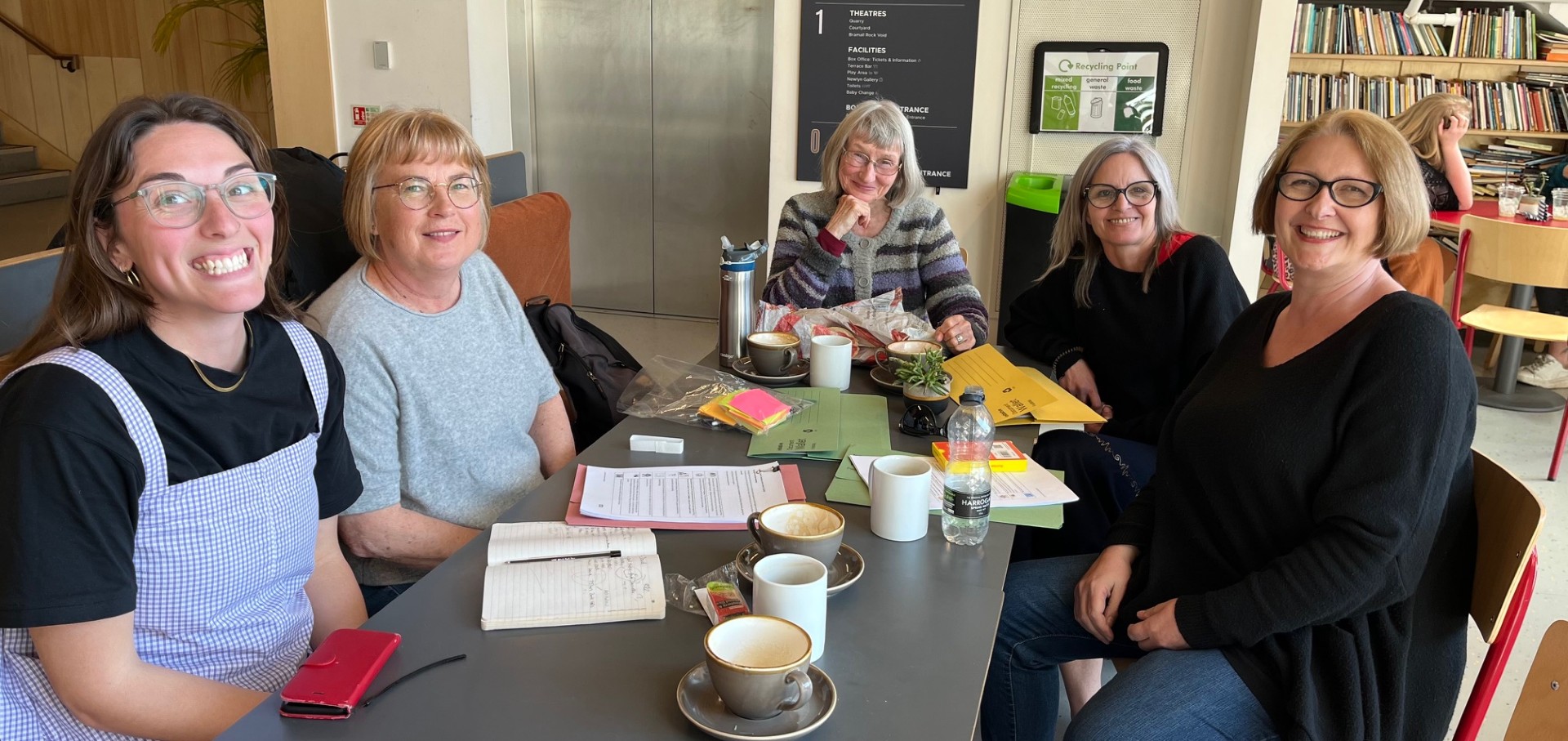
English at Home volunteers often say they learn as much as they teach. Our free online resources were born from that exchange. With their help, we've created a living library where ideas and experience circulate freely between tutors, learners and partners. Learning that builds safety Finding a new life begins with finding the words. For refugees and people seeking sanctuary, English is the bridge between isolation and connection. For volunteers, it’s a way to share insight and confidence. That’s why LASSN’s free resources exist: practical tools written and refined by those who know what starting over really means. Shared learning, shared strength English at Home has always been about connection, not classrooms. Volunteers meet learners in living rooms, libraries or online, using materials grounded in real life—GP visits, job interviews, school letters, small talk. “I used to be afraid to speak. Now I can help my daughter with her homework—and chat to my neighbour.” — Learner Where language meets trust Learning English is also about rebuilding confidence.When tutors and learners share stories, they rebuild trust as well as vocabulary. A lesson might drift into recipes, laughter or cultural exchange; both sides grow from it. “I learn every week—not just English, but how to listen.” — Volunteer tutor Knowledge that travels Today, these free materials reach far beyond Leeds— they've been downloaded by more than 800 tutors from across 16 countries in 2024–25. Whoever uses them extends the same spirit of solidarity: knowledge shared freely, confidence shared in return. The architecture of shared knowledge Behind every download is a small act of belonging—a volunteer preparing, a learner practising, a teacher adapting a worksheet. These resources turn learning into connection. They show that safety is built not only with walls but with understanding—language as shelter — shared, sturdy, and close at hand. by Jon Beech Click here to see our Free Teaching Resources

New L1 Interference Guides to help English tutors teach with more confidence

Resource Information


2026-01-08T09:35:15+00:0013th November, 2025|

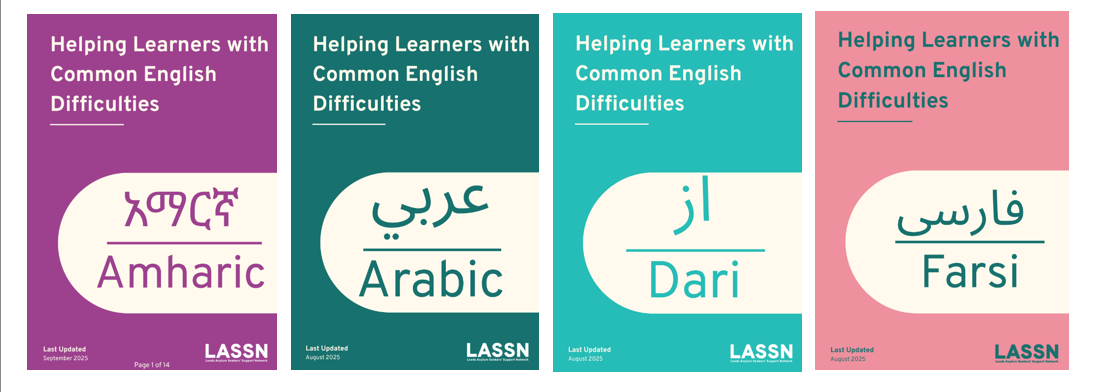
Supporting someone to learn English when their first language works very differently can feel tricky at times — especially when you’re not sure why certain words, sounds or structures are proving hard. Many volunteers tell us they sometimes worry about “getting it wrong” or not knowing the best way to help. To make things easier, we’ve created a new set of L1 Interference Guides. They give a simple overview of how different home languages work, the kinds of challenges learners often face when moving into English, and a few practical ideas you can use straight away. They’re short, friendly, and designed for real volunteer sessions — no linguistics degree required. The first guides cover: Amharic Arabic Dari Farsi Hindi Kurdish (Sorani) Pashto Urdu We’ll keep adding more as we go. so if there’s a language you’d love us to include next, please let us know.

The Why of LASSN – Welcome and Connect

Resource Information


2025-11-04T16:03:42+00:004th November, 2025|

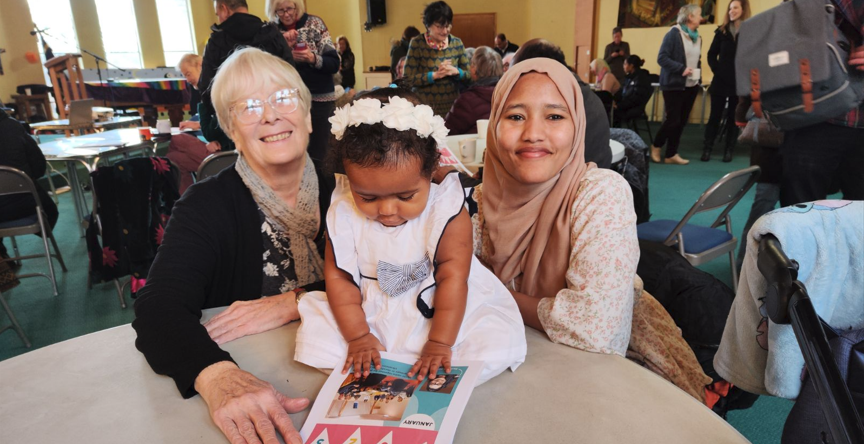
This piece explores Welcome and Connect—a project built on something simple but transformative: people walking alongside one another. Like all LASSN’s work, it has evolved through the insight and experience of those involved—refugees finding their footing in Leeds, volunteers discovering new purpose, and staff learning from both. By looking at the “why” behind it, we see how LASSN’s values take shape in real relationships: mutual, local, and focused on what really matters “When I got the message that we had been granted leave to remain, I became speechless and emotional. It felt like finishing a long marathon—but the real race was just beginning.” — Amos Recognition brings freedom, but not belonging. After years of waiting and surveillance, people often find themselves adrift—safe in name but alone in practice. Welcome and Connect exists because no one should have to rebuild a life by chance. Building connection, not dependency Refugee status usually means another move—to an unfamiliar flat, far from friends. Welcome and Connect answers that dislocation with something radical in its simplicity: people meeting people. Volunteers are matched with newly recognised refugees for up to a year of one-to-one and group activities—walking, cooking, learning, exploring Leeds together. Volunteers don’t direct or rescue; they walk beside, helping people regain confidence at their own pace. “I didn’t know anyone in Leeds. Now I have someone to walk with, to talk with. It makes me feel part of the city.” — Aysha Shaped by lived experience From the start, refugees and volunteers have designed how the project works—how matches are made, what activities run, what genuine welcome looks like. Some now train new volunteers or co-lead groups, keeping the project real and responsive. This isn’t service delivery; it’s solidarity in motion. From recovery to belonging Welcome and Connect complements crisis services by focusing on what happens after safety: the slow rebuild of confidence, trust and routine. For some, it begins with short walks or learning a bus route. For others, it leads to joint projects—tree planting, heritage restoration, exhibitions. Each shared experience reconnects people to community and place. The ripple of welcome This work changes volunteers too. Many describe renewed purpose and deeper ties to their neighbourhoods; some inspire others to join. Each small step—a GP visit, a conversation, a trip to the hills—builds agency. More than 60 percent of participants move into study, volunteering or work; 98 percent of volunteers finish feeling more connected to Leeds. What keeps a city human Welcome and Connect is an everyday act of solidarity in a system built on separation. It proves that welcome isn’t a programme or a project—it’s the daily work of keeping a city human. by Jon Beech with Mehjabeen Hussein Rahim Find out more about becoming a Welcome and Connect Volunteer here. Donate to LASSN here

The Why of LASSN – New To Leeds

Resource Information


2026-04-15T13:27:49+01:0024th October, 2025|

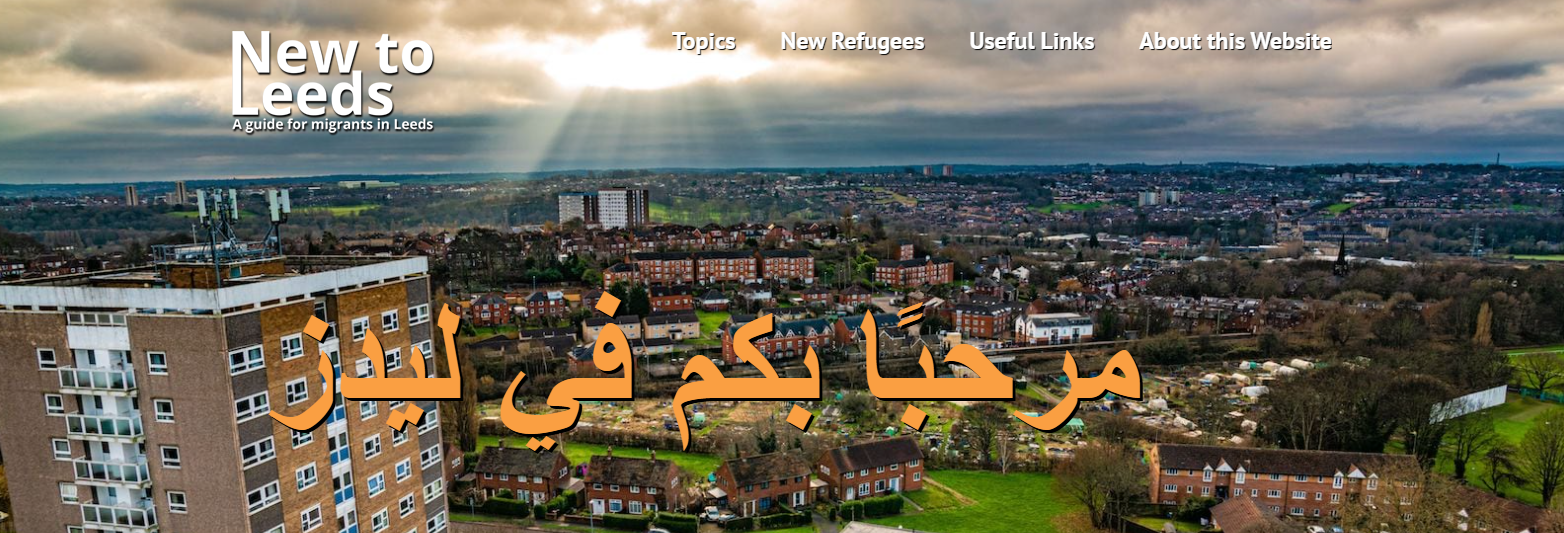
This article is part of our occasional series, diving into not just what LASSN does, but why it matters. Today, we’re focusing on our newtoleeds.org website, a resource that has grown and evolved over time. It’s been shaped by the collective insights, experiences, and efforts of our staff, volunteers, and the people we support. By exploring the “why” behind this project, we aim to show how our values guide everything we do—and how, with the continued support of our volunteers, donors, and partners, LASSN’s approach brings people together, creating lasting change for those new to Leeds. “When I got my status, I felt both happy and lost. For the first time I could decide things for myself—but I didn’t know where to start. Finding clear information helped me stand up again and see where my life could go.” — Charles Recognition brings freedom, but the map can sometimes still feel blank. Letters arrive in official English; buses follow unseen rules; GP forms make assumptions. Even topping up a travel card can feel like a test. New to Leeds turns confusion into orientation—and orientation into confidence. Information that builds confidence Access to information shapes access to everything else: housing, healthcare, education, friendship. That’s why New to Leeds is written and updated by refugees themselves—people who know which answers matter first. “The more I know, the more confident I feel to go out, speak, and take part in life here.” — Tea & Talk participant It’s a living guide to Leeds: where to find homes, classes, legal advice, food, faith groups and community—written in clear English and translated into fifty languages. From isolation to insight When you’ve been displaced, even catching the right bus can feel like an exam you haven’t revised for. Each page of New to Leeds replaces uncertainty with understanding. Someone who once felt “like a football kicked from one end to another” can now plan journeys, reach services and rebuild control. From navigation to contribution Every answer sparks action. People use the site to enrol at college, volunteer, start work, or simply feel ready to explore. “When I explain something I once struggled with, I feel strong—because now I’m the teacher.” — Early contributor Knowledge that multiplies The power of New to Leeds lies not just in its facts but in the trust it builds—each update a small act of solidarity, one refugee helping another avoid the wrong turn. “You can’t always change the system, but when you share knowledge, you change how it feels to live inside it.” — Recent editor The power of knowing Behind every click is someone reclaiming agency. New to Leeds shows that information isn’t optional—it’s safety, dignity, and the first step toward belonging. by Jon Beech Click here to visit New to Leeds

The Why of LASSN – Hosting

Resource Information


2025-10-23T11:17:20+01:001st October, 2025|

This is the second article in our series on what LASSN does—and why it matters. In 2025, fewer than half of people seeking asylum were granted protection at their first decision. About half of those refusals were later overturned. During those long months of waiting, most have no right to rent, work or claim benefits. For them, homelessness is certain. In that context, a spare room is more than comfort—it’s survival. A human act of welcome Hosting begins with a simple idea: people in Leeds open their homes to those with none. Volunteers offer a room and a welcome for a few weeks—or sometimes months—so people facing destitution can live safely. It looks like hospitality, but it’s closer to mutual aid: ordinary people stepping in where systems fail. Cluster hosting—solidarity shared Not every household can host alone. Cluster Hosting lets two or three families share responsibility, rotating one guest between them in a planned, respectful way. It widens the circle of welcome and creates a micro-community of support. Shelter as resistance Destitution is policy, not accident — the outcome of ‘No Recourse to Public Funds’ and the Hostile Environment. Hosting quietly refuses that logic. It says no one in our city should be left without shelter. Healing at home Many guests arrive unwell or exhausted from years of fear and rough sleeping. A safe bed allows rest, treatment, and the slow work of trusting others again. Hosts speak of learning patience and joy; guests describe rediscovering friendship and feeling part of Leeds for the first time. A house becomes a home when the smell of Eritrean coffee drifts through a Leeds terrace. Everyday life, unremarkably extraordinary Each year, LASSN volunteers provide thousands of nights of safety. Together they form a network that keeps people off the streets, supports recovery and builds bridges across communities. Hosting is more than a stopgap—it’s what happens when strangers refuse to look away. by Jon Beech with Jo Carter Find out more about becoming a Grace Host volunteer here. Donate to LASSN here

In Touch, with Nature: An Exhibition

Resource Information


2026-04-28T12:55:40+01:0024th September, 2025|

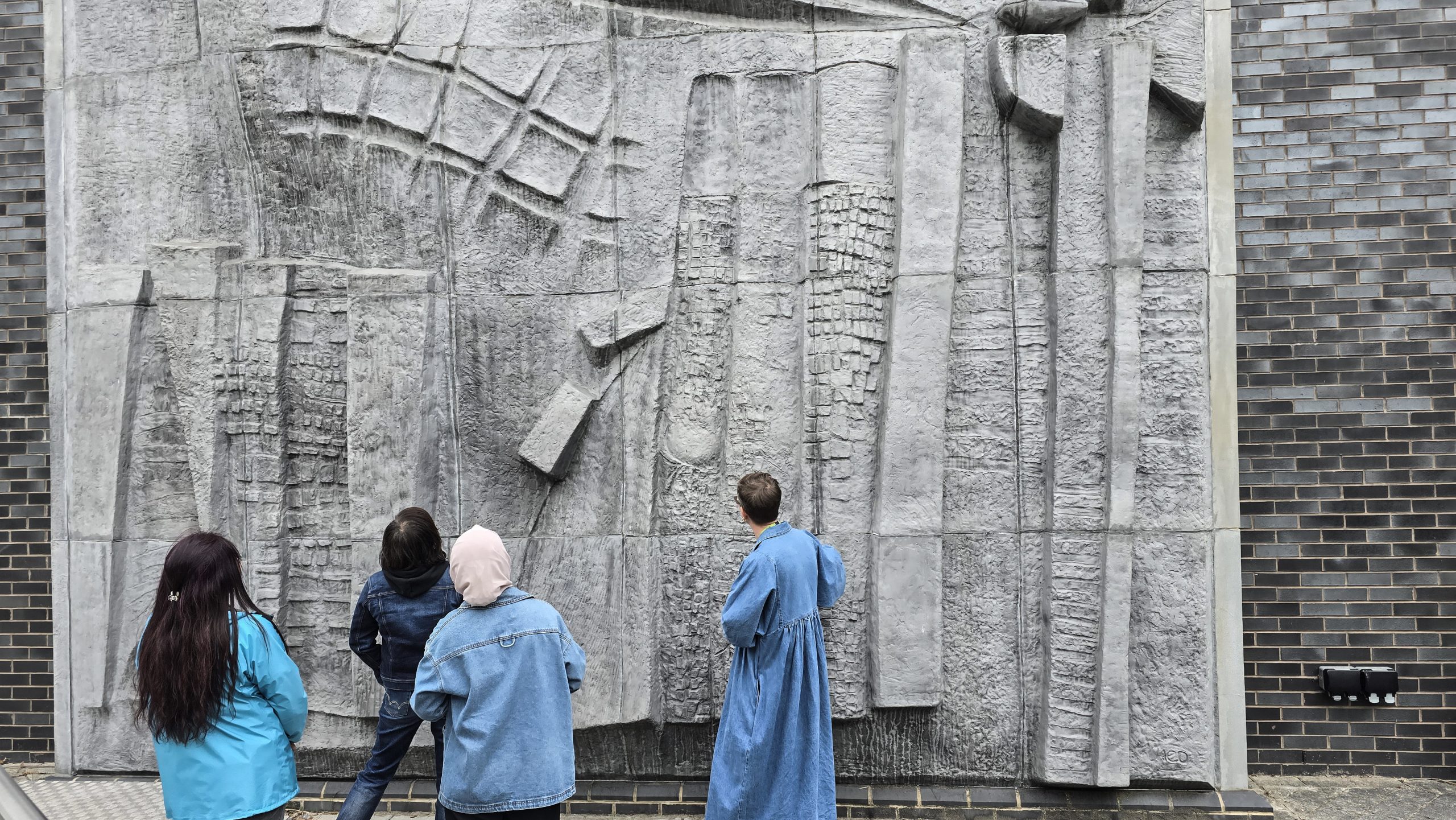
A new exhibition at the University of Leeds showcases artwork created by women from refugee and asylum seeker backgrounds, developed through the University’s Welcoming Migrants programme in partnership with Leeds Asylum Seekers’ Support Network (LASSN). In Touch, with Nature runs from 23 September – 20 December 2025 in the Stanley & Audrey Burton Gallery’s Small Exhibition Room. The works were inspired by summer workshops exploring the University’s collections, public art trail, and architecture, with participants drawing connections between Leeds’ design heritage and the visual cultures of their home countries. Working alongside Wakefield-based textile artist Ranya Abdulateef, the group experimented with printing, reliefs, and concertina-folded collages, creating vibrant new pieces that reflect both memory and discovery. Their art sits alongside objects from the University’s collections, from Burmantofts tiles to artist books, revealing shared patterns, traditions, and influences across cultures. Learning Coordinator Rachel Craddock says: “Through the group’s responses to art and architecture, we’ve all learned so much about our shared history of exchange and influence. This exhibition celebrates the value of different experiences and viewpoints, and the joy of discovering new things together.” The exhibition is free and open to all. Visitors are invited to reflect on their own connections with nature, culture, and creativity. Follow the link for more information Until: Saturday 20 December 2025 Location: The Stanley & Audrey Burton Gallery Cost: Free In Touch, with Nature | Galleries | University of Leeds

Standing Together in Leeds – Practical Ways to Show Solidarity

Resource Information


2025-08-27T15:57:18+01:0027th August, 2025|

The rise in far-right activity feels frightening — for people seeking asylum and refuge, and for neighbours who want Leeds to stay welcoming. People living in hotels are especially exposed to this fear and hostility. But there are practical ways we can act together to show that this city is kinder and stronger than hate. Staying silent only gives more ground to those who want division to dominate the headlines. Contact your councillors and MP. Leeds is about to become a Local Authority of Sanctuary. A short email or letter saying you value compassion and want people in hotels to be safe and treated with dignity makes a difference. Elected members need encouragement to stay strong. WriteToThem makes it easy. Volunteer. Giving your time is a powerful form of protest as well as showing solidarity. At LASSN, that could mean helping someone learn English (English at Home), walking alongside a newly arrived refugee (Welcome and Connect), offering your spare room to someone with nowhere to stay, or helping out at one of our houses (Hosting and Housing). Acts of friendship and neighbourliness matter - and we're recruiting right now. Or if nothing takes your fancy, you can still act from your armchair: our recent membership newsletter is full of ideas of ways you show your support. Share facts, not fear. If you hear myths about asylum seekers, challenge them with reliable information. City of Sanctuary’s Courageous Conversations and Safe Passage’s guidance can help with those awkward chats at work, the pub, or even family gatherings. Show everyday solidarity. A smile, a conversation at the bus stop, or stepping in when someone faces hostility makes a real difference. We’re fans of the Active Bystander approach and are about to arrange some more training for our volunteers. You can watch this short video to find out more, and maybe even arrange some free sessions at your workplace, place of worship, or school. Celebrate what really matters. The Leeds Compassionate City Awards recognise the everyday kindness and commitment of people, community groups and organisations across our city. They shine a light on the work that makes Leeds a fairer, friendlier and more welcoming place to live. You've still got a week or so to nominate individuals or groups and to let them know you value their contribution (nominations close on 8th September 2025). Most people in Leeds want to live in communities that are safe, fair, and welcoming. By taking small steps, we can show that compassion is the majority voice in our city. Hope grows when we act. And together, Leeds can keep showing the country what welcome really looks like. Jon Beech, Director (email me at [email protected] and ask me to send you some #solidaritybadges) Image by Alexa from Pixabay

Turning Donor Data into Impact: our collaboration with PBE

Resource Information


2025-08-19T17:19:55+01:0013th August, 2025|

Thanks to a new collaboration with PBE (formerly Pro Bono Economics), we can now make sense of our donation data and use it to plan better — so we can help more people in Leeds. Through their Data First Aid service, PBE connected us with volunteer analyst Seva Smirnov, who built a simple, interactive dashboard to track donation trends. Now we can see patterns at a glance, understand our supporters better, and focus our energy where it makes the biggest difference. “We got access to a highly skilled individual who understood our needs and made sense of our raw data,” says Andrew Crossley of LASSN.“Collaborating with LASSN aligned with my own values,” adds Seva. “The team is thoughtful, data-savvy, and committed to insight-led fundraising.” With better data, we can help more people feel safe, connected, and at home in Leeds. If you’d like to be part of that change — by sharing your skills, volunteering, or making a gift — get in touch. For the full story click here

The why of LASSN – English at Home

Resource Information


2025-10-23T11:04:03+01:0031st July, 2025|

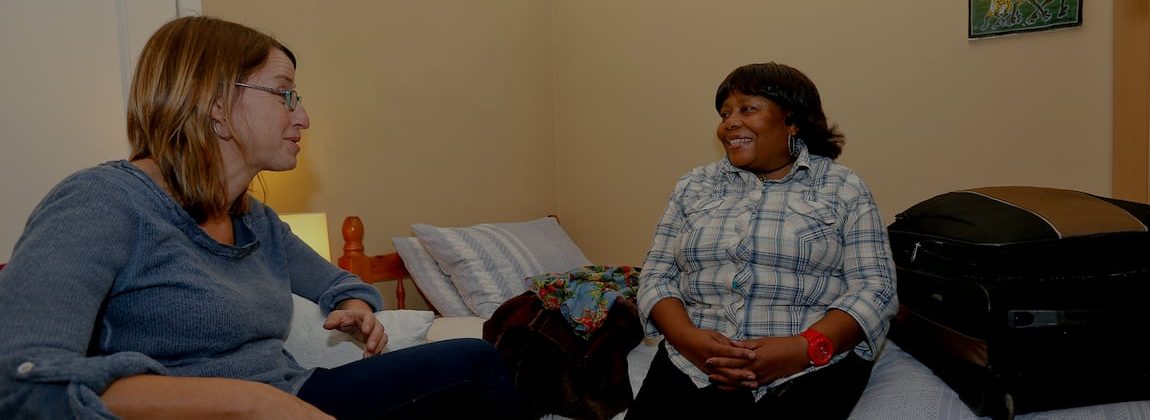
This article is part of an occasional series sharing not just what LASSN does, but why it matters. Every one of our projects has grown over many years, shaped by the experiences, insights, and creativity of staff, volunteers, and the people we support. By reflecting on the “why” behind our work, we hope to show how deeply it is rooted in our values—and how, thanks to our volunteers, funders and supporters, LASSN continues to practise a quietly radical approach: bringing together the strengths and priorities of everyone involved to create lasting change. Looking at notes English at Home Why a Classroom Isn’t Always the Answer Traditional ESOL often means attending classes in a community centre or college, where the times are fixed and it’s easy to fall behind if you miss a lesson. For many parents juggling childcare, people with disabilities or past trauma, and new arrivals navigating official systems, those models just don’t work. Without practical English, everyday life in Leeds—from booking a GP to joining a playgroup—can feel out of reach, and that impacts whole families. Bringing ESOL to People’s Doorstep Our solution is simple: we train volunteers to visit learners at home for one‑to‑one, relationship‑based sessions. By removing barriers like transport, childcare or Wi‑Fi, people can easily access ESOL in their homes and learn key life skills. Power in the Learner’s Hands There’s no set curriculum; learners choose their topics—whether that’s booking a GP appointment, reading a letter from school, visiting local shops or filling in a form. Volunteers listen, clarify language and learn alongside them. It’s real‑life English in real settings, with the learner empowered to focus on what matters most. As confidence grows, learners use these skills in everyday life—booking health appointments, joining community groups and attending college when the time is right. Everyday Kindness as Mutual Aid Swapping stories over a biscuit, sharing where to buy the best falafel in Kirkgate Market, or laughing about Yorkshire dialect—these simple gestures weave people into Leeds life. Small acts of welcome ripple out into a friendlier, more connected community. As one learner told her teacher, “You were the first person who smiled at me while I was here in the UK.” Shifting Power, Together Our volunteers don’t hold all the answers. They co‑create each session as equals, validating the learner’s experience. This learner‑centred approach isn’t just best practice; it’s transformative. People don’t just learn English—they find the confidence to use it by enrolling their children at school, joining a sewing class or even volunteering themselves. Tutors learn about home cultures and customs while developing their own confidence and skills, and become part of a supportive network of volunteer tutors. Peace Building Bridges—Today and Tomorrow Each year, LASSN volunteers deliver about 2,000 home‑based English lessons to roughly 100 learners. English at Home is about dignity, access and agency—removing barriers to education so people gain the language skills to build their future. by David Skivington and Jon Beech Find out more about becoming an [...]

Go to Top