The State of Us
A new report called The State of Us has been published by British Futures and the Belong Network. It looks at why people are feeling more divided, disconnected, and under pressure — as well as describing how communities are quietly holding things together through everyday acts of care, connection, and welcome.
What the Report Found
A year after violent Islamophobic and racist protests and unrest in many towns and cities, things still feel fragile. People are angry and anxious — mainly because it’s harder for them to afford the basics, public services feel stretched to breaking point, and immigration and asylum are being used as political footballs.
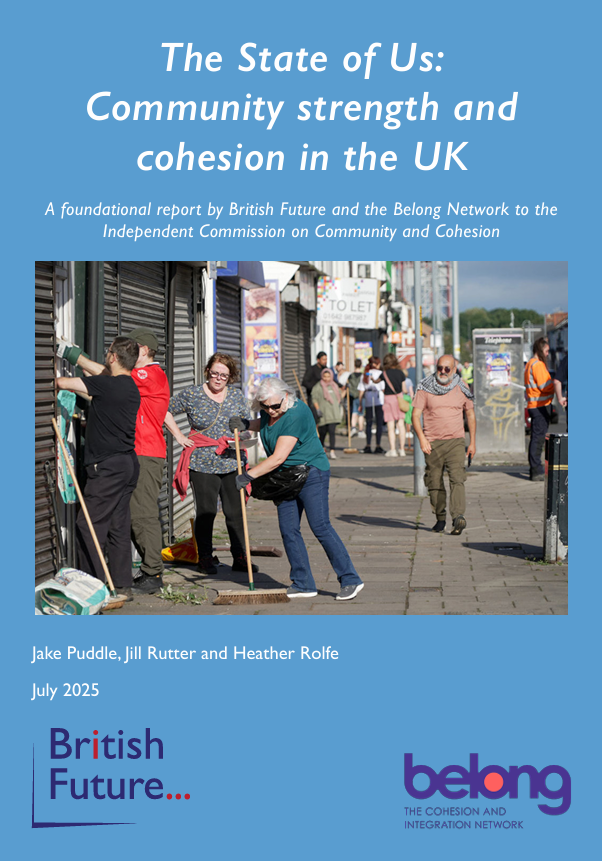
The State of Us
The report calls this a “social powder keg” — a build-up of tension that could easily flare up.
Confidence in government, the media, and public services is low. A lot of people feel like the people in charge aren’t listening, and decisions are being made in a panic rather than with long-term thinking.
Even so, the report states that most people still feel a sense of connection to where they live. Around 7 in 10 say their neighbours from different backgrounds get on well. Friendships, volunteering, and informal support networks are at the heart of this.
Immigration – especially the asylum system – is often where tension shows up most. When people don’t know or have regular contact with people seeking asylum, it’s easier for fear and misinformation to take hold. The messages from politicians (from all the main parties) often don’t help, and can make things worse instead of bringing people together.
The report highlights the importance of small, local projects that help people connect. These include community arts, interfaith projects, and events that bring people together over food and conversation. These are the things that build trust and belonging in real, practical ways.
What Needs to Happen?
The report calls for a shift in focus—from short-term, headline-driven responses to long-term, community action. It asks funders and decision-makers to support local organisations everywhere, not just in places where violence and hatred flare up, and to fund work that reflects the values and strengths of local people, rather than chasing quick wins.
It also highlights the need to tackle hate and misinformation online by properly resourcing the organisations and individuals who are on the receiving end of this negativity. Crucially, it stresses the importance of celebrating the things we share, telling nuanced, more inclusive stories about who we are, and ensuring that people with lived experience aren’t just consulted, but lead the way in shaping what happens next.
So where does LASSN fit in?
The State of Us report paints a familiar picture for anyone working with refugees and people seeking asylum in the UK: rising demand, stretched funding, and an overwhelming sense of distrust in systems that are meant to support people.
At LASSN, we see this every day — and we’re doing what we can to respond in practical ways that focus on relationships and tangible actions we can take to make things better.
Keeping people off the streets
Safe housing is one of the biggest challenges. The report talks about the national shortage of accommodation for people with No Recourse to Public Funds — and in Leeds, we see that up close. That’s why we’ve opened three shared houses in the last five years, offering a safe place to stay for asylum-seeking men who would otherwise face street homelessness. And Grace Hosting – our oldest project – continues to connect local people who have spare rooms with homeless asylum seekers who cannot access our houses, including women and occasionally couples.
These aren’t just beds for the night — they’re spaces where people can feel safe, get respite from destitution and start to rebuild.
Standing in the gap where legal support should be
Getting good legal advice is harder than ever — especially in places like Leeds, which the report rightly calls a legal aid desert. We don’t offer legal advice ourselves, but we work closely with organisations that do, like caseworkers from PAFRAS, the British Red Cross and the legal drop-ins at St Vincent’s. And we make sure people have access to clear, reliable information through tools like newtoleeds.org, which we created to help people understand their rights and navigate the system.
“I have a friend I feel confident to talk to. She helps me cope with day-to-day stress.” – Miriam, an English at Home Learner.
Building everyday connections
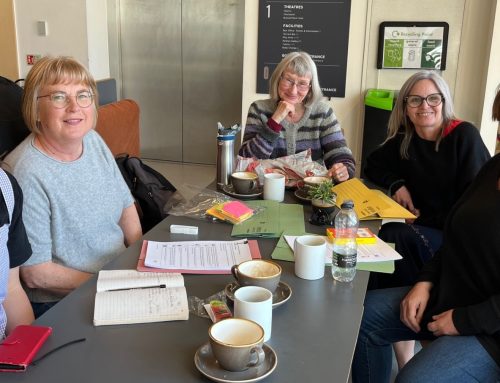
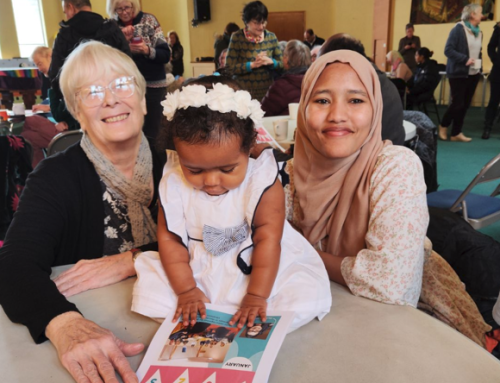
When the report talks about trust and cohesion, it’s easy to think of big national campaigns — but at LASSN, we know real trust is built in small, everyday ways. That’s what our Welcome and Connect project is all about: bringing people together in parks, kitchens, and libraries to learn, laugh, cook, and connect.
We also run English at Home, where volunteers visit learners in their homes for one-to-one language support. It’s about more than just learning English — it’s about growing confidence, building friendships, and opening up access to things like healthcare, education, volunteering, and work.
“It’s an incredibly effective and worthwhile use of time—both personally and professionally rewarding.” – Libby, Volunteer.
Listening to lived experience
The State of Us rightly challenges organisations to move beyond tokenism when it comes to lived experience. At LASSN, we’re not perfect, but we’re serious about making sure the people most affected by the asylum system are involved in shaping our work — as peer supporters, decision-makers, volunteers, and advisors. 45% of our trustees now have direct experience of forced migration, and we are developing ways for refugees and asylum seekers to play a bigger role in how we plan, deliver and evaluate our projects. Welcome and Connect was co-designed with refugees, and the House rules in our accommodation have been developed in collaboration with people who live there – but we still know we have a long way to go.
Doing it together
None of this work happens in a vacuum. We partner with brilliant local groups — Leeds Refugee Forum, PAFRAS, British Red Cross, Leeds Migration Partnership, Leeds City Council — and local and national networks like NACCOM and Asylum Matters. We connect with local business partners like Leeds Building Society, who share our concern with the current housing crisis, and offer generous funding to our Hosting and Housing project. All these collaborations help us share learning, pool resources and funding opportunities, and push for positive change. At a time when many groups feel forced into competition, we try to stay rooted in solidarity and mutual aid.
The challenges in The State of Us are real — and growing. But so is the determination, creativity, and kindness we see every day at LASSN and in our communities. Whether it’s teaching English on a rainy Tuesday afternoon, offering someone a warm bed after weeks on the streets, or simply showing up with a listening ear, these acts matter.
They are part of the quiet, steady work of making Leeds a place where everyone can feel safe, welcome, and at home. And at LASSN, that’s what we stand for.